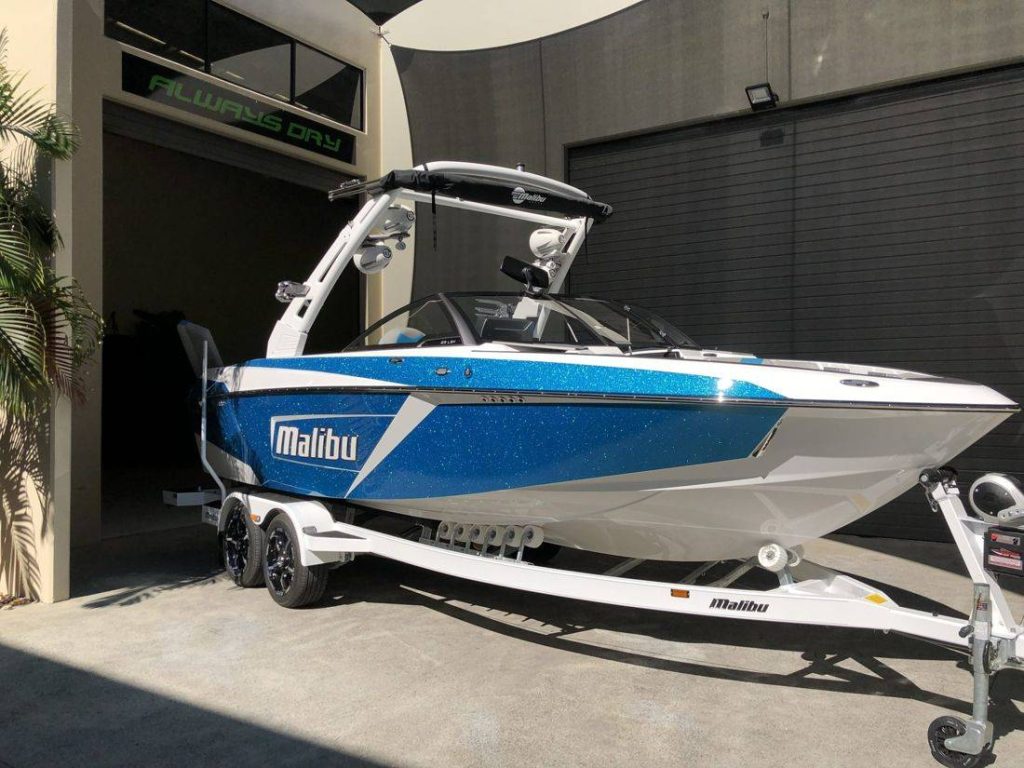
Ask most Australians what ceramic coating is for and they’ll say “the sun”. In Hobart, the story is different. Tasmania’s capital has mild summers, but it also has long, cool, damp winters, salt-laden air off the Derwent, leaf litter, frost and wet roads that rarely dry out. If you own a car, a boat or a fleet of work vehicles in southern Tasmania, the enemy isn’t just UV. It’s moisture, grime and the constant cycle of wet, cold and wash.
This guide explains how a professional ceramic nano-coating from Always Dry works in a cooler, damper climate, what it can and can’t do, and why it suits both everyday Hobart drivers and the trade operators who keep Tasmania moving.
Why Hobart’s Climate Is Hard on Paint (Just Differently)
Hobart doesn’t get huge rainfall totals, yet it feels wet for much of the year because cool temperatures mean surfaces stay damp for longer. Dew, drizzle and morning frost leave moisture sitting on paint, trim and gelcoat for hours. That creates a few specific problems:
- Water spotting and etching: Mineral-rich droplets that dry slowly leave marks that can bond to unprotected clear coat.
- Organic contamination: Autumn leaves, tree sap, bird droppings and pollen from the Domain, Sandy Bay and the eastern shore stick to paint and stain if left.
- Salt and road grime: Coastal air and winter road treatments on the way to kunanyi/Mount Wellington and the Southern Outlet deposit fine, corrosive film on panels and wheels.
- Mould and mildew: On boats, trailers, canvas surrounds and gelcoat, damp conditions let green and black growth take hold in textured areas.
- UV that still bites: Tasmania sits under thin, clean air. Summer UV is stronger than many people expect, particularly on the water.
How a Ceramic Coating Helps in Cool, Damp Conditions
Always Dry’s 9H-LDC PRO and 9H LDC Extreme are professional-grade, silica-based (SiO2) coatings that cure into a hard, slick layer bonded to the paint surface. It sits on top of the clear coat, so it doesn’t replace your paint. It protects it from chemical and environmental wear. For Hobart conditions the main advantages are:
- Hydrophobic water beading: Rain and wash water roll off rather than sheet and sit, so panels dry faster on cold mornings and spotting is reduced.
- Easier cleaning: Leaf stain, sap and road film release more readily from a smooth coated surface, so a gentle wash does the job rather than aggressive scrubbing that causes swirl marks.
- Chemical resistance: A cured coating helps resist bird droppings, salt and acidic contamination attacking the clear coat underneath.
- UV resistance: Helps slow oxidation and fading, which still matters on bright Tasmanian summer days.
- Lasting gloss: Depth and shine stay stronger between washes, which helps resale value.
An important honest note: a ceramic coating is not armour. It does not protect against stone chips, car-park dings, scratches from gravel on rural roads or impact damage. If you want impact protection on high-risk areas such as bonnets and mirrors, paint protection film is the right tool, and many owners combine the two. A coating is about chemical resistance, UV, easier cleaning and long-term gloss.
For Hobart Drivers: A Practical B2C Guide
Daily drivers and family cars
If your car lives outside in Lindisfarne, Kingston, Glenorchy or Sandy Bay, it spends its life in the weather. Coating after a proper paint preparation gives you a protective layer that makes weekly care quicker, which is welcome when it’s 6 degrees outside. Pair it with LDC Light, our maintenance spray, for a fast top-up that refreshes the hydrophobic effect.
4WDs and weekend adventurers
Tasmanians love the back roads, the Tarkine, the east coast and the Central Highlands. Mud, tannin-stained water, dust and salt all find their way onto the paint and wheels. Our Wheel Pro-Tech coating helps with brake dust and road film so that rims clean up faster after the weekend.
Matte and special finishes
LDC Pro Matte is designed to protect matte paint without adding gloss, which is useful because matte surfaces can be tricky to clean in damp climates.
Derwent Boating: Gelcoat, Salt and Damp
Hobart boating culture is serious. From Sandy Bay and Bellerive to Kingston Beach and the D’Entrecasteaux Channel, there are plenty of runabouts, wake boats, tenders, jet skis and cruisers on trailers or swing moorings. Marine surfaces face constant moisture, salt and UV, and gelcoat can chalk and stain over time.
- Gelcoat protection: A marine ceramic coating adds a hydrophobic, UV-resistant layer that helps gelcoat stay glossy.
- Waterline and stain resistance: Smoother surfaces make it easier to remove film and algae with a wash rather than heavy compounding.
- Less mould-friendly surfaces: Water doesn’t linger as much, so damp conditions are less likely to take hold on coated areas.
- Faster post-trip clean-up: Rinse, dry and go, which is exactly what you want after a cold day on the river.
Coating won’t stop hull knocks or dock rash, but it keeps the finish easier to maintain between seasons.
For Tasmanian Businesses: The B2B Opportunity
Hobart’s trade and service economy runs on vehicles: tradies, tourism operators, hire car fleets, marine businesses, and dealerships along the Brooker Highway and Main Road. Protecting those assets cuts cleaning time and helps keep resale value strong.
- Dealerships: New and used stock sits outdoors in the damp. Coating at handover protects paint and supports your presentation standard.
- Tourism and hire fleets: High turnover vehicles need fast, repeatable cleaning. Coated paint saves labour between hires.
- Marine retailers and charter operators: Gelcoat that looks great sells boats and keeps customers happy.
- Detailers and installers: Always Dry supports professional applicators with trade pricing, training and product support, so you can add ceramic coating as a profitable service line.
Our nationwide authorised-dealer network is growing, and Tasmania is a region with real opportunity for quality installers.
Caring for a Coating in Hobart
- Wash regularly: Use a pH-neutral shampoo and a clean microfibre mitt. Salt and road film should not sit for weeks.
- Dry after washing: Even with hydrophobic paint, a quick dry with a soft towel prevents water spotting in cold, damp air.
- Remove contamination quickly: Sap, bird droppings and leaves should come off promptly.
- Top up with LDC Light: A maintenance spray every few washes keeps water beading strong.
- Avoid harsh chemicals: Aggressive degreasers and automatic brush washes can wear on any coating.
Getting Started
Whether you drive in the Hobart suburbs, run a marine business on the Derwent or manage a trade fleet, a professionally applied ceramic coating is a smart way to protect your paint and gelcoat from Tasmania’s damp, salty and sun-exposed conditions. Contact Always Dry to find your nearest authorised installer, or ask about becoming one.